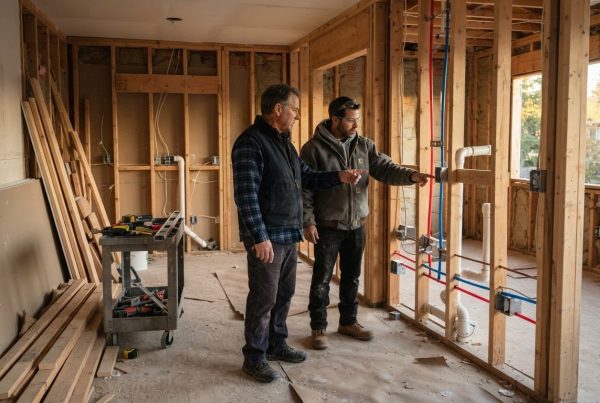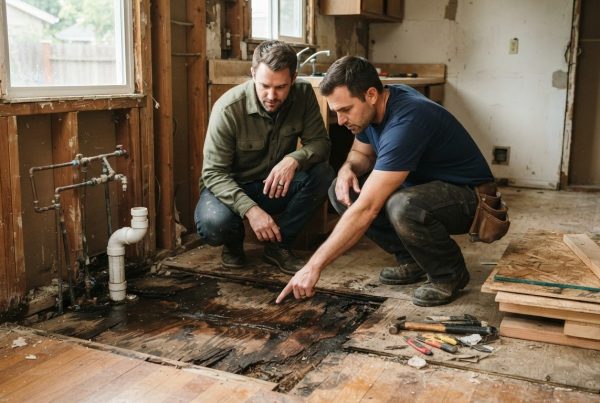

A bank-owned property may qualify for fix-and-flip financing, but it depends on the numbers and the work involved. A foreclosure doesn’t automatically rule out financing. The property’s condition, renovation plan, and available project capital all matter. We’re private money brokers, not lenders, so we help connect clients with financing options rather than lending money ourselves.
It’s understandable to focus first on whether you can finance the purchase, especially when the bank-owned seller expects a clear, workable transaction. But the financing structure matters too: how much may be advanced, how renovation funds are disbursed, and how much time you have for the work all affect the capital needed to close and carry the project.
Here, we compare private money with other financing approaches for a foreclosure flip, explain how valuation and documentation can affect a financing request, and cover the terms to weigh before choosing a path. The aim is to look at the property, renovation scope, and financing strategy together before you move forward.
Key Takeaways
- A bank-owned property may work for a fix-and-flip loan. As private money brokers, not lenders, we can help assess how its value and renovation plan fit the financing.
- Hard-money loans can mean higher rates and more cash upfront. Look at the full project budget before you commit.
- Get your documents in order and spell out the work you plan to do. That gives reviewers a clearer picture of the project and its value.
- There’s no one waiting period that applies to everyone. How foreclosure history and the proposed loan structure affect qualification depends on the borrower.
Can I get a fix and flip loan on a bank-owned property?
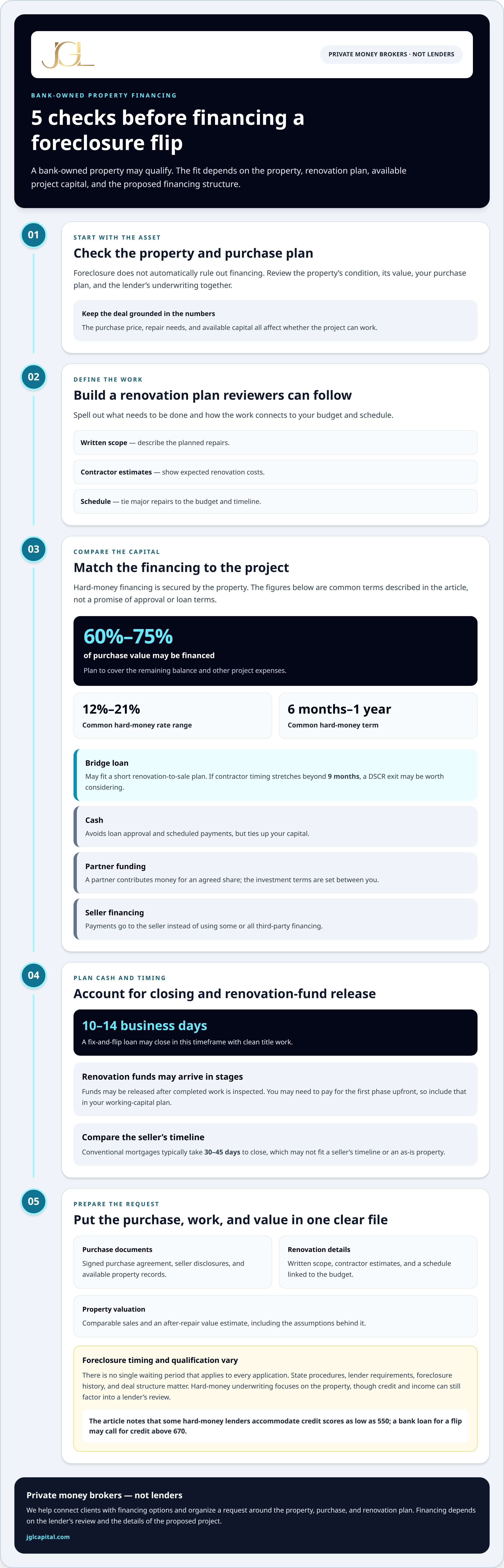
Yes, a bank-owned property may qualify for a fix-and-flip loan. Whether the deal works depends on the property, your purchase plan, and the lender’s underwriting. Hard-money rates commonly range from 12% to 21%, so make sure you’ve accounted for payments and cash needs before you commit.
Hard-Money and Bridge Loan Terms
Hard-money financing is secured by the property, and lenders commonly focus on its value rather than the borrower’s creditworthiness. They may lend about 60% to 75% of the purchase value, so you’ll need to cover the balance and other expenses. Terms commonly run six months to one year. A bridge loan may fit a short renovation-to-sale plan. If the contractor’s timeline stretches beyond 9 months, a DSCR exit may be worth considering.
Cash, Partners, and Seller Financing
Paying cash means no loan approval or scheduled payments, but it ties up your capital. A partner can put money into the project for an agreed share, and seller financing means making payments to the seller instead of using some or all third-party financing. As private money brokers, not lenders, we can compare these options with private-money financing and help organize a request around the purchase and renovation budget. Partner funding, unlike a property-secured loan, depends on the investment terms you agree on together.
Foreclosure Timing and Qualification Requirements
There isn’t one waiting period that applies to every private-money or fix-and-flip application after foreclosure. State procedures and lender requirements vary, so the terms depend on the foreclosure history and the deal you’re proposing. Hard-money underwriting focuses on the property, though credit and income can still factor into a lender’s review. Some hard-money lenders accommodate credit scores as low as 550, while a bank loan for a flip may call for credit above 670.
A private lender may finance a foreclosure flip, and a portfolio loan or business entity may also be part of the purchase structure. As private money brokers, we can help you look at whether cash, a partner contribution, or seller financing makes sense alongside a loan, then organize the request around the property and project.
| Option | Funding basis | Cash and timing considerations |
|---|---|---|
| Hard money | Property value | About 60% to 75% of purchase value; six months to one year |
| Bridge loan | Short-term project financing | Consider a DSCR exit if work exceeds 9 months |
| Portfolio loan | Lender’s portfolio criteria | Terms depend on the loan structure |
| Cash, partner, or seller financing | Available capital or agreed terms | Compare capital tied up, payments, and shared returns |
Choose an approach that fits the property’s value, renovation schedule, and the cash you have available for the purchase.
Hard-money loans for house flips
When you’re buying a distressed property to flip, the financing needs to fit your renovation plan and your timeline for selling. We’re private money brokers, not lenders, and can help you explore hard-money options secured by the property. These loans are generally assessed against the property’s value and can move faster than traditional bank financing. With clean title work, a fix-and-flip loan may close in 10 to 14 business days. That can make a real difference when the seller wants a quick closing.
Look beyond the purchase price and think through how the money will arrive. A private-money loan may cover the purchase and renovation, but you’ll still need a realistic budget for payments and project costs. Renovation funds may be released after completed work is inspected, so you might need to pay for the first phase upfront. Build that timing into your working-capital plan and your estimate of potential resale proceeds.
A home equity line of credit may be another option if you have at least 20% equity in another property. The interest rate is generally variable, and missed payments put that property at risk. An online mortgage may suit a property that appraises at the purchase price or higher; fixed-loan terms may run 15 or 30 years, which is a longer commitment than most flips require.
Traditional bank loans can be a tough fit for a flip because banks generally don’t offer the short-term financing investors often need. Conventional mortgages typically take 30 to 45 days to close, which may not work with the seller’s timeline or the condition of an as-is property. Unsecured personal loans don’t use the purchased property as collateral, so they’re different from asset-backed financing and should be weighed separately from a property loan.
As you compare options, focus on the closing date, collateral, repayment plan, and cash flow for renovations. A review of investment property financing options can help you think through a structure that fits the project.
Borrower documents and loan preparation
When a property needs work, the purchase details, renovation plan, and valuation all need to line up. A clear, organized file makes it easier for a lender to review the property and your plan for paying off the loan. Pull together documents that show what you’re buying, what needs to be done, and how you expect to fund the project.
- Purchase documents: Gather the signed purchase agreement, seller disclosures, and any property records you have.
- Renovation plan: Include a written scope, contractor estimates, and a schedule that ties the major repairs to the budget.
- Property valuation: Share comparable sales and an after-repair value estimate, along with the assumptions behind it.
- Borrower and entity details: Have identification, relevant experience, and business-entity records ready if you’re buying through an entity.
- Funding plan: Show the funds available for closing, initial work, and carrying expenses, plus your plan for repayment or resale.
Take a moment to check that the details agree. If the purchase agreement says the home is vacant but the renovation budget assumes it’s occupied, explain why. If your value estimate uses renovated listings, make clear how those compare with the property’s current distressed condition. The lender will assess the property as it stands, as well as the work you’re proposing to support its future value.
As private money brokers, not lenders, we can help organize your documents, clarify the project numbers, and present your request to prospective lenders whose criteria may fit. That process can bring issues to light early, like a renovation scope that misses major repairs or a funding plan that doesn’t account for the first phase of work. The lender makes its own underwriting decision.
Before you submit a request, check that the purchase price, repair budget, and valuation match across the file. If a contractor revises an estimate or the seller changes a contract term, update the documents. For example, if the roof bid changes, make sure the renovation budget and project summary show the same current figure.
How long after foreclosure must you wait to qualify for a hard money or fix-and-flip loan?
There isn’t one waiting period that applies to every foreclosure-related financing request. A six-month ownership period has been reported for conventional Fannie Mae and Freddie Mac cash-out refinancing, but that isn’t a universal rule for a private-money purchase loan. For a purchase, the funding source looks at the property and the details of the project.
It helps to keep refinancing and buying separate. Seeking cash out against a property you already own is different from buying a bank-owned home to renovate and resell. For a purchase, the funding source considers the property, its value, the proposed work, and the borrower’s financing plan. A prior foreclosure may be part of the file, but it doesn’t create a universal waiting period on its own.
State procedures can affect a property’s status after a foreclosure sale. In some states, the former owner may have up to a year to reclaim the property. That period relates to the former owner’s rights, not a new buyer’s credit seasoning. Make sure title and ownership status are clear before treating the acquisition as ready for financing; unresolved title issues can delay or disrupt closing.
To map out the timeline, separate three dates: the foreclosure sale, the date the new purchase contract is signed, and the planned closing. Then line up the renovation schedule and repayment strategy with the proposed loan term. A hard-money loan commonly runs six months to one year, so allow time for the purchase, repairs, and resale. That’s a project timeline, not a required wait after foreclosure.
As private money brokers, we can help structure the financing request around the property and transaction, rather than treating refinancing rules as purchase-loan rules. Discuss private-money financing for your flip when you’re preparing the acquisition.
JGL Capital: Fix and Flip Loans
At JGL Capital LLC, we’re private money brokers, not lenders. We help investors explore financing for fix-and-flip projects involving bank-owned properties. We look at the property, renovation plan, and financing request together, with the property’s value central to the review.
If you’re preparing to buy and need to evaluate financing for the purchase and renovation, consider JGL Capital LLC’s Fix and Flip Loans. We also arrange New Construction Loans, Multi-Family Loans, and Bridge Loans for projects with different needs. The right financing path depends on the property and your investment plan.
Gather the purchase details, renovation scope, property valuation, and funding plan so the request reflects your project accurately. Contact JGL Capital LLC to talk through your flip financing needs.
Set the Financing Plan Before the Next Offer
I like to get the financing plan in place before making an offer, not leave it for later. Think through how the purchase, renovation, and resale fit together. That gives you a clearer starting point for the financing conversation and helps keep your project assumptions in line from acquisition to exit.
With a foreclosure flip, financing is about more than choosing a loan structure. Think about how much capital you want to preserve, what schedule feels realistic, and whether the property’s condition fits your investment objectives. JGL Capital is a private-money broker, not a lender, and can help you explore options with those factors in mind.
If you have a property in mind and want to talk through how it fits your plan, contact JGL Capital about flip financing. We can start with the details of the opportunity and take it from there.
Frequently Asked Questions
Can you get a fix-and-flip loan after a foreclosure?
Possibly. A past foreclosure doesn’t automatically rule out financing for a fix-and-flip project. The details of the deal matter, including the property, purchase terms, renovation plan, your finances, and how you plan to repay the loan. Comparable properties can help support your resale plan, but they can’t guarantee a sale price. The foreclosure is still part of your history, but it’s not the only thing considered.
Do hard money lenders require a waiting period after foreclosure?
There isn’t one waiting period that applies to every private-money purchase loan. Requirements vary by lender and by the type of transaction. Buying a property to flip is different from refinancing, so don’t assume seasoning rules for conventional cash-out refinancing apply to a purchase. Be clear about the loan’s purpose and ask what requirements apply to that specific deal.
How does a recent foreclosure affect fix-and-flip loan rates, down payment, and loan-to-cost limits?
A recent foreclosure may affect how a lender views the deal, but it doesn’t automatically determine your rate or down payment. Lenders may also look at your credit, available funds, experience, the property’s condition, and your exit plan. Loan-to-cost compares financing with eligible project costs, which lenders may calculate differently. If the supported property value is lower or renovation costs are higher, you may need to contribute more.
What documents should you provide, and what steps will a broker take to apply for a fix-and-flip loan after foreclosure?
Start with a clear summary of the deal: the property, purchase terms, amount requested, condition, renovation plan, timeline, and exit strategy. You may also need contractor estimates, valuation support, details of your experience and available funds, and relevant entity records. As private-money brokers, we can organize your request, look for prospective lender programs, compare available structures, and help coordinate communication. Each lender sets its own document requirements and makes its own underwriting decision.
What are the risks of using hard money to finance a flip after foreclosure?
Keep an eye on financing costs, the short repayment window, renovation overruns, and resale delays that could throw off your exit plan. Foreclosure properties can need significant work, and unexpected repairs may eat into your reserves. Before accepting terms, make sure you understand the payments, extension options, default terms, and backup exit plans. A projected resale value is only an estimate, not a guaranteed sale price or profit.